Workflow marketing automation? Look, it's about setting up smart, multi-step marketing sequences that kick off when customers do certain things. To really grow, you need an architecture-first plan. That means figuring out your processes and goals FIRST, before picking any tools. It just makes things manageable and effective in the long run.
Okay, so your automation was supposed to give you freedom, right? Instead, you've probably got this tangled mess of triggers and rules that nobody on your team really gets. Sound familiar? It's a super common story. The real fix isn't another piece of software; it's a completely different way of thinking.
TL;DR: Good workflow automation isn't about buying more software, it's about really smart design. Start by mapping out what your customer's journey looks like and then prioritize automating the biggest headaches. Focusing on clear goals, smart segmentation, and constantly optimizing with data? THAT'S what makes the difference between a system that grows with you and total chaos.
Moving From Just Random Automation to a Real Strategic Workflow System
Loads of businesses just dive headfirst into automation tools. They get totally charmed by the idea of growth happening by itself. So, they start with little ad-hoc triggers: a welcome email over here, a cart reminder there. And yeah, it works okay at first. But pretty soon, all these separate actions turn into this fragile, super complicated mess. You can't see the big picture anymore, fixing stuff becomes impossible, and measuring the real impact? Forget about it. The system that was supposed to give you momentum actually just drags you down.
That's the trap of only thinking about tools. A scalable, effective system demands an architecture-first approach. This means you HAVE to design the whole flow of customer communication and data before you even think about logging into an automation platform. It's like the difference between building a house with a blueprint versus just grabbing some boards and starting to nail them together. No plan? You end up with something unstable that just will not scale.
The whole point of this strategic base is to build a system that's easy to understand, manageable, and actually connected to your business growth. It makes sure every automated touchpoint serves a real purpose within that larger customer journey. Research totally backs this up, with many experts saying that failed automation projects often result from a premature focus on software over thorough process design. By designing the architecture first, you build a system that grows with you, instead of one that just buckles under its own weight. This is the main idea behind developing your strategic Blueprint to own your niche. When the strategy's clear, execution just gets SO much simpler.
The Basics: How to Map Out Your Main Marketing Workflow
Before you automate ANYTHING, you've got to actually see what you're doing right now. This mapping process makes things super clear and highlights all those hidden inefficiencies and chances you have within your marketing and sales operations. It's truly the essential first step toward strategic workflow marketing automation.
Just grab a simple flowchart tool, like Miro or Lucidchart. The idea isn't to make some perfectly polished diagram; it's to get a functional overview of how a customer moves through your brand. Marketing experts say a crucial step is to map your current marketing workflow from awareness to post-purchase. This visual map then becomes your guide for figuring out the best places to automate, the ones that will make the biggest difference.
Document these key stages of the customer journey:
-
Awareness
-
Lead Capture
-
Nurturing
-
Sales Handoff
-
Post-Purchase
For every step in your map, it's CRUCIAL to note the important operational details. As one leading platform mentions, you should document the owner, tools used, trigger, time delay, and the success metric for each stage. This detailed look turns a simple flowchart into a plan you can actually use! The nurturing stage, for example, is a PERFECT spot for automation, and our special guide explains how to build an effective email marketing automation workflow that turns passive leads into real buyers.
What Exactly IS Workflow Marketing Automation?
Workflow marketing automation is designing clever, multi-step marketing campaigns that automatically kick off based on specific things users do, timing, or data points. These automated sequences are built to guide a potential customer through their larger journey, giving them timely, relevant info that helps them trust you and encourages them to act.
It's really a step up from just basic, one-off automation. For instance, a basic automation might send one thank-you email when someone downloads a whitepaper. A real workflow, though? That takes that initial trigger and starts a whole journey. It could follow up two days later with a related case study, then five days after that with a webinar invite, all while watching their engagement to figure out what to do next.
What's a behavior-based trigger? That's just an event that starts an automated workflow because of a specific action a user takes. Could be visiting a pricing page, clicking something in an email, watching most of a video, or abandoning a shopping cart. You get the idea.
Effective workflows aren't just random. They're based on your core business goals, things like getting qualified leads, making customer onboarding better, or increasing customer lifetime value. Every step is planned with a purpose and measured against specific KPIs. The ultimate goal of workflow marketing automation is to give people a personalized experience, but at MASSIVE scale. You can have what feels like a one-on-one chat with thousands of people all at once, making sure you send the right message to the right person at exactly the right time to move them through your customer lifecycle. This builds momentum and a reputation for being helpful and relevant, way before any sales conversation even happens.
How to Prioritize Your Automation Work for Maximum Impact
To really prioritize your automation efforts well, first define clear business goals and your Key Performance Indicators (KPIs). After that, focus on automating the parts of your customer journey that have the most friction or are super repetitive. Use behavior-based triggers and segment your audience to send them targeted, relevant messages, NOT just general blasts. Then, constantly look at your performance data to make your workflows even better.
Once you've got a complete map of what you're doing now, you can start spotting great chances for automation. But you can't automate everything all at once. The trick is to prioritize strategically to get the biggest wins first. According to marketing strategists, the best way to go about it is to use your defined business goals as the primary filter for prioritization. If a potential workflow doesn't directly help a big business metric, like revenue growth, lead generation, or keeping customers, then move it further down the list.
Look for two main kinds of opportunities:
-
High-Friction Points: Where do potential customers get stuck or bail? Where does your team spend way too much time on manual follow-ups?
-
Repetitive Tasks: What tasks get done the exact same way every single time? Think welcome emails, qualifying new leads, or setting up discovery calls.
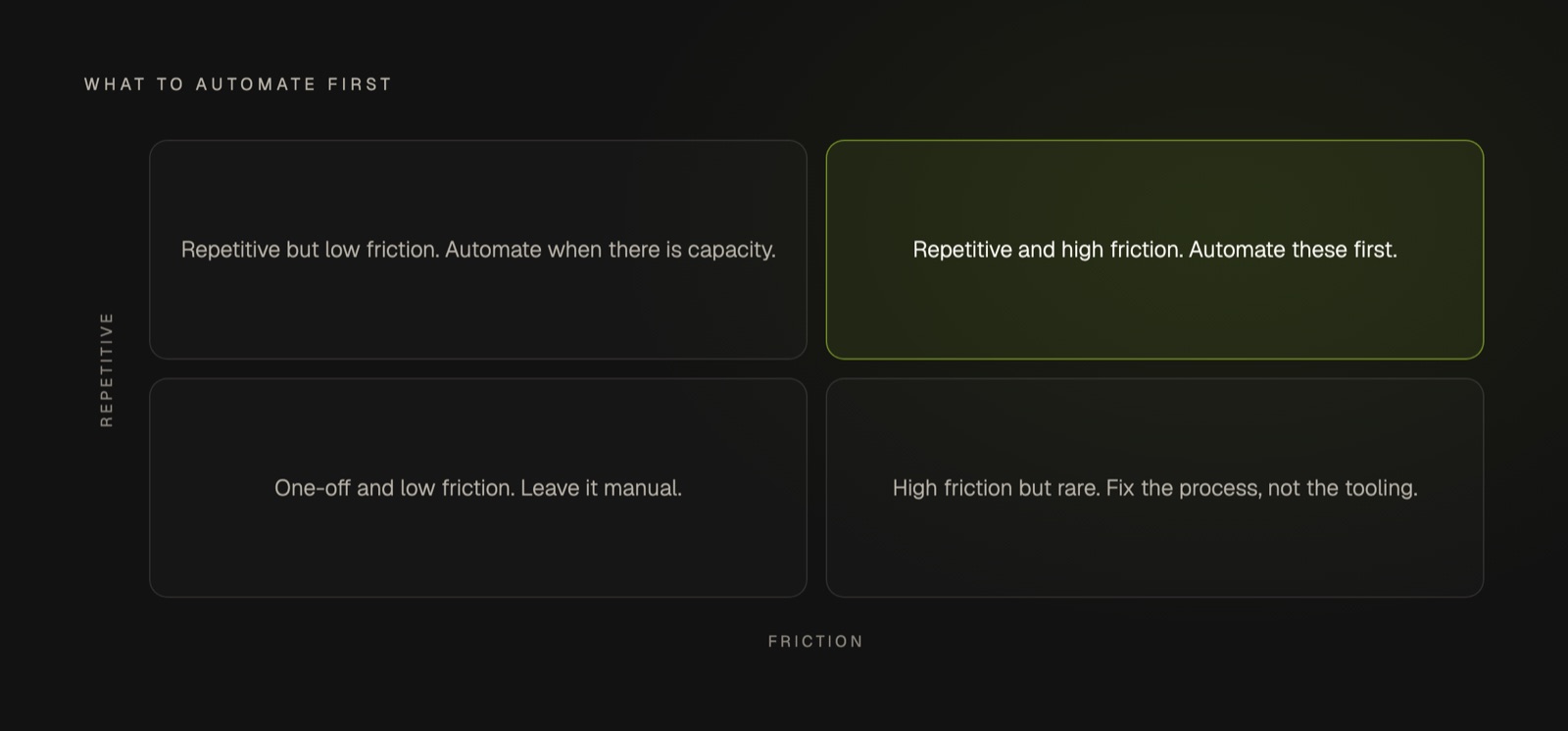
Automating these areas first gives your team immediate relief and really improves your marketing funnel, building early momentum for your entire workflow marketing automation strategy.
5 High-Impact Workflow Automation Plays for Serious Growth
So, you've mapped your processes and figured out your priorities. Now you can actually start building! Instead of trying to create tons of complex sequences, focus on nailing a few high-impact ones first. Experts suggest the best practice is to start with a clear map of your customer journey and automate the highest-friction steps first using data and behavior-based triggers. Here are five workflows that consistently get results for pretty much any kind of business.
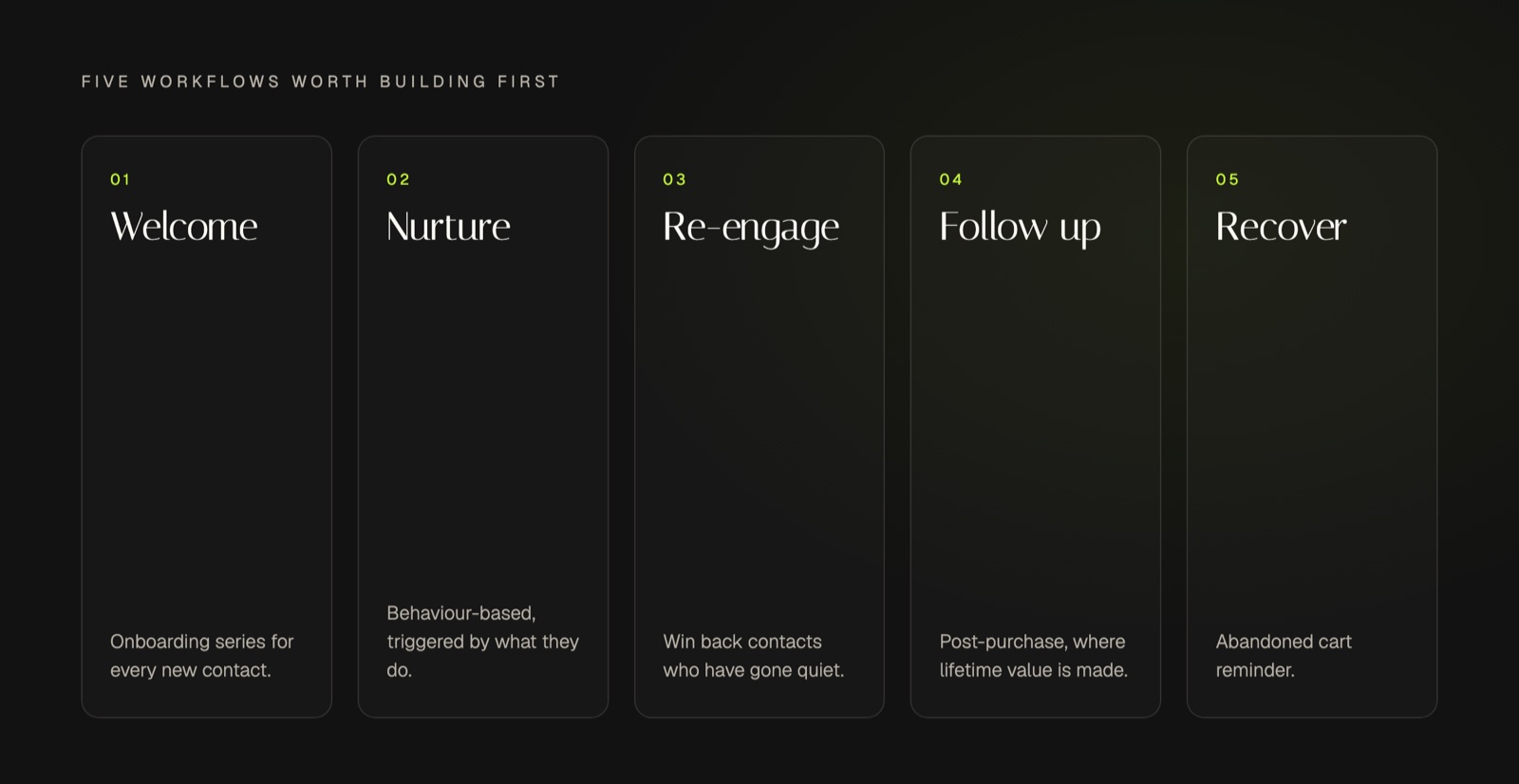
1. The Welcome and Onboarding Series
-
Trigger: A new user signs up for your newsletter, makes an account, or downloads something.
-
Goal: To make a really good first impression, show off your brand's value, and set the right expectations for future communication.
-
Key Content: A series of 3-5 emails that welcome the user, give them what they signed up for (like a download link), introduce your main mission, and point them towards your most valuable content or features.
2. The Behavior-Based Lead Nurturing Sequence
This is where your marketing really starts to get smart. Instead of sending the same old content to everyone, you personalize the journey based on what they actually do.
-
Trigger: A lead visits a specific page (like pricing), downloads a particular guide (say, about a certain service), or clicks a link in another email.
-
Goal: To provide super relevant content that speaks to their specific interest and brings them closer to buying.
-
Key Content: Tailored content. If they looked at a case study for the finance industry, send them another finance-related resource, not some generic company update.
3. The Customer Re-Engagement Campaign
It's always way cheaper to keep an existing customer than to find a new one. This workflow is all about winning back customers or users who have gone dormant.
-
Trigger: A user hasn't opened an email, logged into their account, or made a purchase in a set timeframe (like 90 days).
-
Goal: TO REMIND them of your value and give them a reason to engage with your brand again.
-
Key Content: An email series that might start with a simple "We miss you" message, then highlight new features or content, and maybe end with a special offer or discount.
4. The Post-Purchase Follow-Up
The journey doesn't just stop at the sale, right? This workflow turns a one-time buyer into a loyal fan and repeat customer.
-
Trigger: A customer finishes a purchase.
-
Goal: To reduce buyer's remorse, make sure they get value from what they bought, and encourage future business or referrals.
-
Key Content: A thank-you email, resources on how to get started, a request for a review after a week, and a follow-up email a month later with suggestions for related products.
5. The Abandoned Cart Reminder
For e-commerce and SaaS companies, this is one of the highest ROI workflows you can build. It gets back potentially lost revenue with a simple, well-timed nudge.
-
Trigger: A user puts something in their cart but doesn't finish checking out within a certain amount of time (say, an hour).
-
Goal: To remind the user about the items they left behind and help them get past any last-minute doubts.
-
Key Content: A sequence of 2-3 emails. The first is just a reminder. Later emails could address common worries (shipping, returns) or create some urgency with a limited-time offer.
In all these cases, the secret to success is going beyond generic messages. E-commerce experts really stress that you should trigger distinct marketing messages tailored to each identified segment instead of just sending one automation to everyone. This focus on segmentation and relevance is what makes workflow marketing automation a true Scale Multiplier for your business.
Why Do Most Marketing Automation Workflows Crash and Burn?
Most marketing automation workflows fail because businesses jump straight into picking software before really designing their process. They create wildly complex systems right from the start, don't link these workflows to clear business KPIs, and completely forget about the ongoing analysis and optimization needed for long-term success. This tool-first mentality pretty much guarantees unmanageable and ineffective systems.
The promise of automation is powerful, but so is the potential for utter chaos. Lots of initiatives start with enthusiasm but just end in frustration. Industry analysis shows that the reason is almost always strategic, not technical; experts agree that failed automation projects usually skip process design and focus on tools instead. Common fails include:
-
Making it too complicated from day one: Trying to build a dozen complex workflows all at once instead of mastering one or two simple, high-impact ones first.
-
The "set it and forget it" myth: Automation isn't a one-time thing! Successful systems need constant monitoring, testing, and tweaking based on how they're actually performing.
-
Not connecting to KPIs: Creating workflows without tying them to specific business goals makes it IMPOSSIBLE to measure your ROI and prove they're even working.
Without a strong strategic base, your workflow marketing automation just becomes a liability, not an asset. It actually creates more work, not less, and completely misses delivering the growth you expected.
Key Takeaways for Automation That Actually Scales
Building a truly powerful automation engine means you need a strategic mindset. Here are the core ideas to guide you and make sure you build a system that grows effectively and really drives business success.
-
Always map out your process BEFORE you pick any automation software.
-
Tie every workflow directly to a specific business goal and KPI.
-
Start with just 1-2 high-impact workflows; don't add complexity too soon.
-
Segment your customers and use behavior-based triggers for truly relevant messages.
-
Constantly analyze performance data to make things better and better.
-
Focus on building a strategic system, not just a bunch of random triggers.
Frequently Asked Questions About Workflow Marketing Automation
What is the first step in creating a marketing workflow?
The very first thing you need to do is thoroughly map out your current customer journey and marketing processes. Before you even look at software, use a simple flowchart to visualize every stage, from when someone first hears about you to after they buy. This helps you find repetitive tasks and places you can improve, laying down a crucial strategic foundation.
How do you automate a marketing workflow effectively?
Effective automation starts with really clear business goals and KPIs. Prioritize automating the parts of your customer journey with the most friction first. Use behavior-based triggers and segment your audience so you're sending targeted, relevant messages, rather than just blasting everyone with the same thing. Then, constantly check your performance data to make improvements.
Can marketing automation be used for email marketing?
YES, email marketing is definitely one of the most common and powerful ways to use workflow automation. This includes sending automated welcome series to new subscribers, nurturing leads with helpful content, re-engaging inactive contacts, and sending post-purchase follow-ups to keep customers and boost their lifetime value.
From Tangles to a REAL Authority That Grows
Mastering workflow marketing automation isn't about becoming some expert in a dozen different software tools. It's about becoming an expert in your own customer's journey. By taking an architecture-first approach, you move away from chaotic, random automation to a clear, scalable system that generates demand and builds your reputation while you're busy with other things.
When you map your process, prioritize smartly, and optimize using data, you're not just creating efficiency. You're building a system that delivers a consistent, on-brand experience at EVERY touchpoint. This is how trust just compounds, and how you truly get recognized and respected in your market.
Building a scalable workflow is only half the battle, though. You also need a steady flow of great, on-brand content to feed it. See how Sempyo’s platform automates your entire content strategy, from your strategic Blueprint™ right through to final publication, so you can just focus on growth.